
Look at yourself through a coach’s eyes
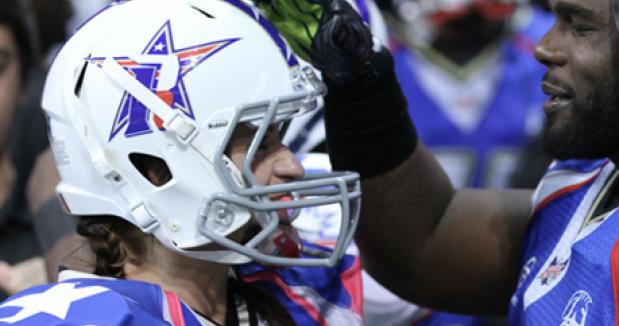
As a player, have you ever taken the time to step out of your own cleats and pick up the coach’s whistle for a change? Have you ever considered what your coach sees when he or she watches you play? Sometimes, the best way to become a better player and teammate is to look at yourself and your game from fresh eyes.
If you set your emotions aside and look objectively at yourself, what would you see? Watch yourself on film. Ask yourself some of the following questions:
- What story does your body language tell?
- Do you make eye contact?
- What is your location relative to the team?
Your body language conveys a message beyond words. Think about it. If you see an athlete sitting on the bench with his forearms on his thighs, what do you think? If that athlete’s head is down, and he won’t make contact, is that different than if his head is up and he is engaged in the game? How about where the athlete is seated on the bench? If the player is sitting in the middle of his teammates, does it mean something different than if he is sitting at the end of the bench alone?
As a coach, if I see an athlete on the bench, with his head down, avoiding eye contact, and removed from the rest of the team, I see an athlete that is not happy, not confident, and not engaged in the game. If I see an athlete, who is conveying a lack of confidence, should I feel confident that he is ready to play? When I have the choice of putting that player in the game or putting in an athlete whose chest is high, engaged in the action and with his teammates, who should I put in the game?
So often I hear athletes complain about lack of playing time, but they don’t realize that their body language is telling their coaches they don’t want to play. As an athlete, being a good teammate is about more than being a good player. Your body language sends a message to your coach and teammates, and trust me, body language is contagious. Take control of the messages your body sends, pick yourself up and bring a teammate with you. The next thing you know, you will probably be back in the game.
Play big.
Dr. Jen Welter earned a master’s degree in sports psychology and a doctorate in psychology from Capella University. A women’s professional football for 13 seasons, she currently is a member of the Texas Revolution, a male professional indoor football league. A four-time league champion with the Women’s Football Alliance’s Dallas Diamonds, Welter played for the 2010 and 2013 U.S. Women’s National Team at the IFAF Women’s World Championship, helping the Unites States earn a pair of gold medals. You can follow her on Twitter @jwelter47.