
6 ways for youth coaches, parents to help players through a disappointing loss
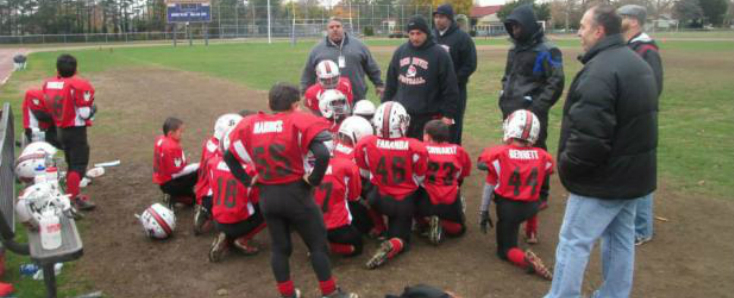
In youth sports, there is a fine line between the importance of winning and just simply having a good time. For leagues that keep score and when there is a championship on the line, winning is an objective, but coaches should never lose site of the importance for young players to learn the fundamentals and show improvement.
Throughout the course of six years as a youth sports parent, I’ve seen some pretty exciting games. My son’s team has won some and lost some. There also have been games that end with a big victory or a blowout loss.
It’s easy for teams to embrace wins when everything goes their way, but how can parents and coaches handle things when a game spirals out of control on the losing end?
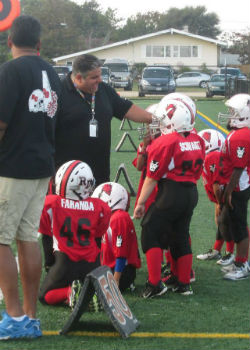 From a coach’s perspective, there are a few ways to handle this.
- Try to settle things down. In football, timeouts are precious and need to be used at critical moments. Many times, a team has to “burn” a timeout to avoid a penalty or perhaps to stop what looks to be a play destined for disaster. On the youth level, coaches should use those timeouts to settle down his players when the score gets lopsided. The deficit might be too big to overcome, but there is always time to salvage some positive memories.
- A time to experiment. When things aren’t going well, it can be hard to find positive developments. However, a lopsided gives teams a chance to try some things that they wouldn’t do in a close game. Take an offensive lineman and give him a chance to run the ball. There could be a young boy who has struggled at defensive end, so try him at safety. In my son’s league, when a team goes up by 18 points, the team that is losing gets to choose four players on the winning team to come out of the game. That also could be a chance for a coach who is winning to move kids around and try different positions.
- Don’t bury the tapes. Penn State buried the game film of its Week 1 loss to Temple as a symbolic move to turn the page. Some youth football teams tape their practices and games, but even if there is a Saturday afternoon to forget, don’t destroy the evidence. There are always lessons for young players to learn, and even though it might be difficult, find some teachable moments as well as highlights to share with the players.
 For parents, helping a child deal with a blowout loss also is part of the healing process.
- Don’t try to be a coach during the game. The last thing you want to do is go and talk to your child during a game that’s not going well. Don’t be that parent who interferes with what the coaches are trying to do. They made the commitment and volunteered for the job. Let them handle everything on the sideline. Your job begins after the coaches have their postgame chat with the kids.
- Keep the editorial comments to yourself. I’ve experienced youth sports as a parent and as a coach. It is inappropriate to shout out critical comments during the game. A coach doesn’t need to hear some random voice being negative, and the kids certainly shouldn’t have to hear it either. Save the comments for the coaches until an opportunity to talk one on one at a better time, perhaps after a few days at the next practice.
- Let your child get the emotions out. Losing is not easy, but getting blown out is even harder. A child might experience a plethora of emotions including anger and embarrassment. It’s probably not a good idea to try and console your child unless he or she comes to you. If your child is miserable and is not in the mood for a “you guys tried hard” or a “hey it’s just one game” chats, just let it go and wait for a better time to talk. My son doesn’t take any loss well so it’s usually best to table any discussion until at least an hour after the game.
At any level of sports, losing is part of the learning process. That has to be the bottom line lesson for kids whether it’s a close game or a contest that results in a blowout. A game that is not competitive is not fun for anyone, especially the players so it’s important to help them get through it.
Peter Schwartz is an anchor and reporter for the CBS Sports Radio Network. He also writes a CBS New York sports blog. You can follow him on Twitter. Peter’s son Bradley plays for the Levittown Red Devils of the Nassau Suffolk Football League on Long Island in New York. His son Jared cheers on Bradley and then Bradley returns the favor when Jared is playing soccer.